How to Pack an Apartment for Moving: Room-by-Room Guide
Packing is where most moves either get ahead of schedule or fall behind. This room-by-room guide covers what to pack first, what to save for last, and how to label everything so unpacking at the other end doesn't feel like starting from scratch.
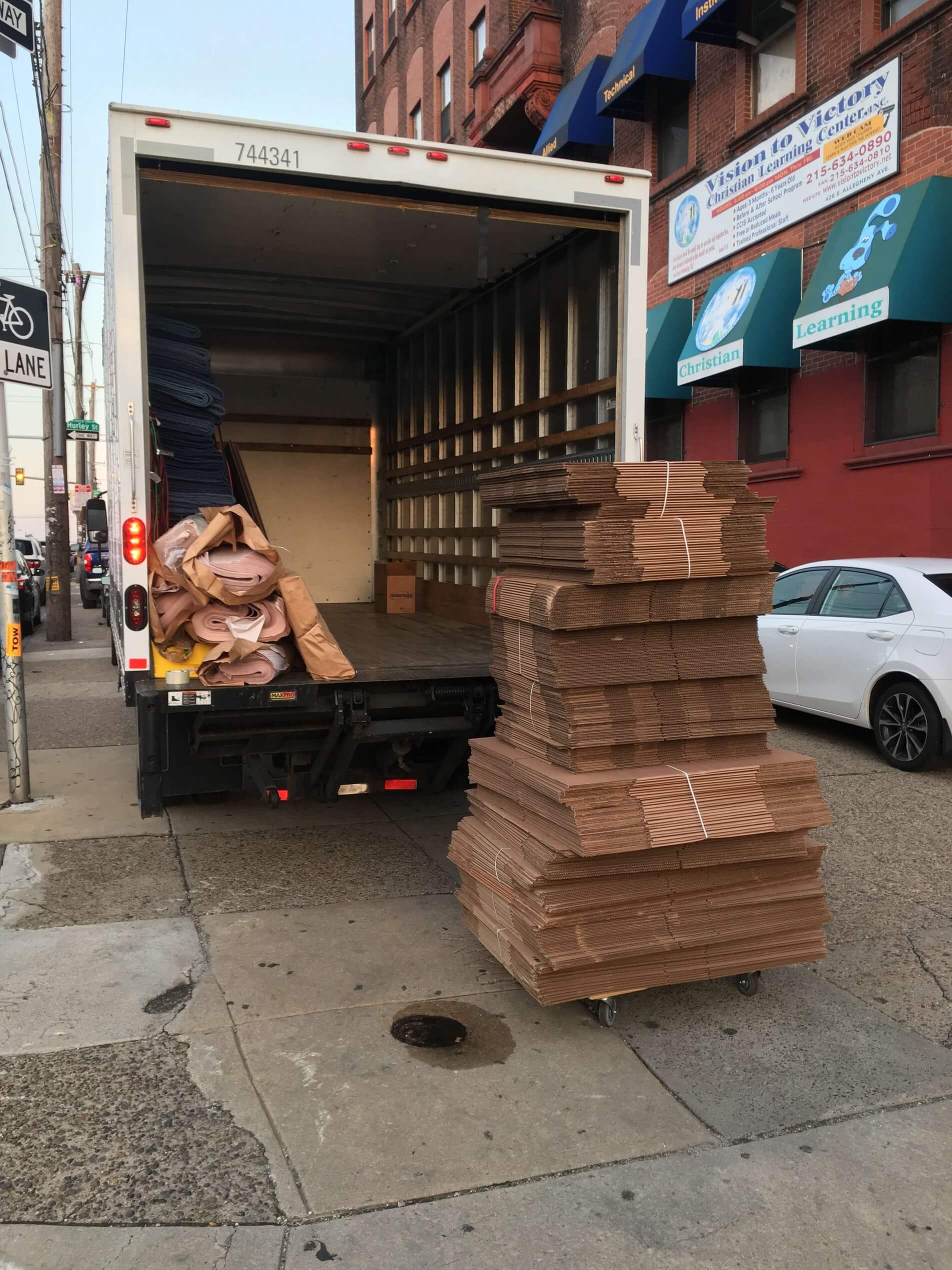
Let's be honest: packing is tedious, time-consuming work. It takes longer than almost everyone expects, and doing it properly — wrapping every fragile item, labeling every box, filling every gap — requires patience most people don't have in the days leading up to a move. If you'd rather not deal with it, Moverama handles all of it for you. We offer full packing services (we pack everything before move day) and partial packing services (we handle the kitchen, fragile items, or whatever you'd like to hand off) — just ask when you book. If you do want to pack yourself, this guide shows you exactly how to do it right.
The way you pack determines how smoothly the move goes and how quickly you can get settled at the other end. Boxes that are properly packed load faster, ride safer, and unpack logically. Boxes that are thrown together at the last minute slow the crew down, risk damage, and leave you hunting through a pile of unlabeled boxes for your coffee maker at 9 PM on move night.
This guide breaks packing down room by room, in the order that makes sense — starting with what you use least and ending with what you need until the last possible moment.
The Golden Rules Before You Start
- One room per box, always. Mixed-room boxes create unpacking chaos. Label every box with the destination room on the top and at least two sides.
- Heavy items in small boxes. Books, tools, and kitchen equipment get small boxes. Lighter items like linens, pillows, and clothing can go in larger ones. A box that's too heavy to lift safely is a box that gets dropped.
- Fill every box completely. Half-full boxes collapse under weight. Stuff gaps with packing paper, bubble wrap, or clothing. A firm, full box stacks safely and protects its contents.
- Seal and label before the crew arrives. Every minute the crew spends waiting for you to finish packing is billed time. Have everything sealed and labeled the night before.
What to Pack First: 3–4 Weeks Out
Start with rooms and items you won't miss before move day. These are the things that have been in a closet, basement, or spare room untouched for months.
Storage Areas and Basement
Seasonal items, holiday decorations, sports gear, tools you rarely use, and anything in long-term storage can be packed now without disrupting your daily life. This is also a good time to make final decisions on anything you've been keeping out of inertia — if it hasn't come out of a box in a year, reconsider whether it moves with you.
Books and Media
Books are heavy and easy to pack early. Small boxes only — a medium box of books is too heavy for most people to carry safely, and heavy boxes get set down awkwardly on stairs. Stand books upright or lay them flat, spines alternating, and fill gaps with paper. Label the box "HEAVY — BOOKS" so the crew knows what they're picking up.
Off-Season Clothing
Winter coats, sweaters, and out-of-season shoes can be packed 3–4 weeks before a summer move without any disruption. Use wardrobe boxes for hanging items if possible — they're the most space-efficient option and eliminate the need to refold and rehang everything at the destination.
Decorative Items and Art
Wall art, decorative objects, framed photos, and anything else that's display-only rather than functional can come down and get packed early. Wrap frames in paper or bubble wrap, tape an X of masking tape across glass to hold it if it breaks, and mark the box "FRAGILE — ART" on every side.
What to Pack Next: 1–2 Weeks Out
Spare Bedroom or Home Office
If you have a guest room or dedicated office, pack it next. Books, files, office supplies, spare linens, and non-essential furniture can all go. Disassemble any furniture you know needs to come apart — large desks, bed frames in spare rooms, bookshelves — and pack the hardware (screws, bolts, Allen keys) in a labeled zip-lock bag taped to the piece.
Living Room
Pack decorative items, books, DVDs, games, and non-essential electronics. Leave the TV, your main seating, and any entertainment equipment you're still using until the last few days. Wrap TV remotes and cables together and label them by device.
Linen Closet
Extra towels, spare sheets, and anything beyond what you need for the next two weeks can be packed now. Linens are excellent packing material — use towels and sheets to wrap fragile items and fill gaps in boxes. This reduces the packing material you need to buy and uses what you're moving anyway.
What to Pack Last: 1–3 Days Before
Kitchen
The kitchen is the most labor-intensive room to pack and the most commonly underestimated. Start with rarely used appliances and equipment — the stand mixer, the slow cooker, the waffle iron — and work your way toward the everyday items. Save the coffee maker, a pot, a pan, and your daily dishes until the day before.
- Dishes: Pack plates vertically, not flat. They ride better on their edges and are less likely to crack. Wrap each plate individually in packing paper — no dish should ever touch another dish without padding between them. Pad the bottom of the box heavily before placing any plates, and ensure no dish touches the sides or top of the box either. Every surface contact point is a potential break. Fill all gaps with crumpled paper so nothing shifts in transit and mark the box "FRAGILE" on every side.
- Glasses: Cell boxes (divided cardboard inserts) are the right tool for glasses. If you don't have them, wrap each glass in paper, stuff the interior with paper, and pack them upright in a box with generous padding on every side.
- Pots and pans: Stack with paper between each piece. These are durable — no bubble wrap needed. Fill the interior of pots with smaller items or kitchen tools to use the space.
- Knives: Wrap each knife individually in paper and pack in a clearly labeled "SHARP" box or a knife roll. Never pack knives loose.
Bathroom
Pack everything except what you need for the next day or two. Put toiletries that could leak in sealed zip-lock bags before boxing them. Medications travel with you in a personal bag — not in the moving truck.
Bedroom
Clothing you're actively wearing stays out until move morning. Pack off-season and non-daily clothing first, then work toward the rest. Your mattress and bed frame will typically be the last things loaded onto the truck and the first things off at the destination.
Your "First Box" — Pack It Last, Unpack It First
Before you seal the last box, put together one clearly labeled "OPEN FIRST" box that stays with you — not in the truck — and contains everything you'll need in the first 12 hours at the new place:
- Phone chargers and laptop charger
- Toiletries and medications
- A change of clothes for the next day
- Coffee maker and coffee (or the means to get coffee)
- Toilet paper and hand soap
- Bedding for the first night
- Any important documents you'll need immediately
This box is your bridge between the old place and the new one. Without it, you're unpacking in the dark to find your toothbrush.
Labeling That Actually Works
The difference between a well-labeled box and a poorly labeled one shows up at the destination when the crew is placing boxes and you're directing them. Good labeling means:
- Room name written in large letters on the top and at least two sides of every box
- A brief contents description: "Kitchen — Dishes" or "Office — Books/Files"
- "FRAGILE" and an upward arrow on any box with breakables
- "HEAVY" on any box over 40 lbs
- "OPEN FIRST" on your essential box
Color-coded tape by room is optional but genuinely useful on large moves. Pick a color per room and mark every box accordingly — the crew can place boxes into the right rooms at destination without asking where each one goes.
"The moves that finish on time are almost always the ones where everything is packed, sealed, and labeled before we arrive. We've seen a two-bedroom apartment packing job add three hours to a move. That's three hours of crew time that could have been spent on moving, not waiting." — Moverama Team, based on 5,000+ Philadelphia moves
Frequently Asked Questions About Packing for a Move
How many boxes do I need for a one-bedroom apartment?
A one-bedroom apartment typically requires 30–50 boxes depending on how much stuff you have and how tightly you pack. The kitchen alone usually accounts for 8–15 boxes. The safest approach is to buy or source more than you think you need — unused boxes can be broken down and recycled. Running out of boxes mid-pack is a much bigger problem than having extra.
What's the best way to pack dishes so they don't break?
Pack plates vertically, not flat — they're significantly more resistant to breakage on their edges. Wrap each plate individually in packing paper, pad the bottom of the box with several layers of paper, and fill all gaps. Don't overfill the box to the point where the flaps won't close flat. Label the box "FRAGILE" on all sides and mark it with an upward arrow so it's handled right-side up.
Should I disassemble furniture before the movers arrive?
For Philadelphia rowhomes especially, yes — large bed frames, sectionals, and tall wardrobes often need to come apart to fit through stairwells. Disassembling the night before saves billed crew time. Moverama can handle disassembly on move day if you prefer — just let us know at booking what pieces are involved so we can bring the right tools and account for the time.
Can I use trash bags for clothing instead of boxes?
For soft items like clothing and linens that you're moving yourself in a car, trash bags work fine. For items going in the moving truck, boxes are much better — bags shift, puncture, and stack badly. Wardrobe boxes are the best option for hanging clothing going in the truck.
What shouldn't go in the moving truck?
Keep with you — not in the truck — any medications, valuables (jewelry, important documents, laptops), items with sentimental irreplaceability, plants, and pets. Also keep your "OPEN FIRST" box with you so you have everything you need on arrival without waiting to find it in the truck.
Good packing is the single biggest thing you control in how your move goes. Start early, pack by room, label everything clearly, and get it all done before the crew shows up. If you need help with the packing itself, Moverama can handle as much or as little as you'd like. When you're ready to book your Philadelphia move, get in touch here or call us at (215) 420-0305.