How to Get a Philadelphia Parking Permit for Moving Day
A Temporary No Parking Permit is one of the most practical things you can do for a Philadelphia move — and one of the most commonly skipped. Here's exactly how to apply, what it costs, when you need it, and what happens if you don't get one.
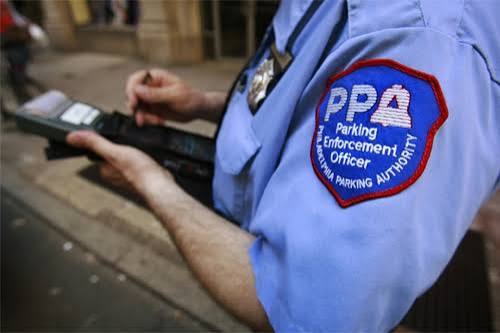
Of all the things that derail Philadelphia moves that should have gone smoothly, parking is near the top of the list. The crew shows up between 8 and 9 AM, and there's no place to put a 26-foot moving truck within a hundred feet of your front door. Now every carry gets longer. Every trip up and down your rowhome staircase starts and ends further away. What would have been a six-hour move becomes an eight-hour one.
The Temporary No Parking Permit — sometimes called a temporary no-park or TNP — exists precisely to prevent this. It's a permit issued by the City of Philadelphia that reserves a designated stretch of curb in front of your address for your moving truck on your move day. Here's everything you need to know to apply for one, in the right amount of time, without getting it wrong.
What Is a Temporary No Parking Permit?
A Temporary No Parking Permit is an official City of Philadelphia permit that designates a specific section of street as a no-parking zone for a specific period. Once posted, vehicles parked in that zone can be ticketed and towed. The permit gives your moving truck a guaranteed loading spot directly in front of your building.
It's issued through Philadelphia's Department of Licenses and Inspections (L&I) and applies to city streets. Private streets, alleys, and certain permitted-zone areas may have different requirements — call L&I if your address involves any of those.
When Do You Actually Need One?
Not every Philadelphia move requires a parking permit, but most do. Here's how to think about it:
| Situation | Permit Recommended? |
|---|---|
| Rowhome on a residential block in Center City, South Philly, Fishtown, or any dense neighborhood | Yes — strongly. Parking competition on these blocks is intense. |
| High-rise or condo building with a designated loading dock | Usually handled through the building — ask your building manager. |
| House with a driveway in a lower-density neighborhood | May not be needed if you can stage the truck off-street. |
| Move during peak summer season (June–August) | Yes. Parking competition peaks in summer. Apply well in advance. |
| Move on the 1st or last day of the month | Yes, always. Multiple crews working the same block is common on turnover days. |
If you're in any doubt, apply for the permit. The cost ($25–$50) is trivial compared to the time and aggravation a missing loading spot adds to the move day.
How to Apply: Step by Step
Step 1: Go to the City's Permit Portal
Philadelphia's permit applications are handled through the eCLIPSE permit portal at eclipse.phila.gov. You'll need to create an account if you don't already have one. The process takes 10–15 minutes once you have your move details ready.
Step 2: Select "Temporary No Parking" as the Permit Type
Under the permits section, select Temporary No Parking (sometimes listed as "Temporary Street Closure — No Parking"). This is distinct from a street closure permit, which is for blocking the full street — you don't need that for a moving truck.
Step 3: Enter Your Move Details
You'll need:
- The street address where you need the space reserved
- The specific block face (which side of the street)
- The date and hours you need the space (typically your move day, 7 AM–6 PM)
- The length of curb you need (a standard moving truck needs 30–35 feet; request 40 feet to be safe)
Step 4: Pay the Fee
The permit fee is typically $25–$50 depending on the zone and curb length requested. Payment is handled online through the portal. You'll receive a PDF confirmation by email.
Step 5: Post the Signs
The City will either mail physical no-parking signs or direct you to pick them up — this varies by permit type and timing. The signs must be posted at both ends of the reserved curb section at least 72 hours before the permit takes effect. This is critical: signs not posted in time give neighbors no notice, and parked cars won't be moved in time for your crew.
Step 6: Talk to Your Neighbors
This step gets skipped more than any other, and it's one of the most practical things you can do. Once your signs are posted, take a few minutes to knock on the doors of the neighbors closest to the reserved zone and let them know about your move. Ask them to keep the posted no-parking space clear on move day. Better yet — if you or a friend has a car available, park it in the reserved zone the night before to hold the space, then move it when the truck arrives. A few trash cans placed in the space work just as well. Signs alone don't guarantee the space will be clear by 8 AM; a parked car or a couple of bins guarantee it is.
What Happens If You Don't Get a Permit
Without a permit, your crew arrives to whatever parking situation exists on your block that morning. On a dense rowhome block in Fishtown or South Philly, that might mean the nearest available spot for a moving truck is half a block away or more. At a conservative estimate, each extra 100 feet of carry distance adds roughly 15–20 minutes per hour to a full-household move. On a five-hour job, that's an extra hour to an hour and a half of billed time — from a $25 permit that you didn't apply for.
Without a permit, you also have no recourse if a car is parked where your truck needs to be. You can call Philadelphia Parking Authority to report a violation, but by the time a tow arrives, your crew has already been waiting. The permit, and the signs posted 72 hours in advance, are what prevent that scenario.
Timing Guide: When to Apply
| Move Date | Apply By |
|---|---|
| Any move, any time of year | At least 4 business days before — earlier is always better |
| Summer move (June–August) | 7–10 business days out; permit volume is higher |
| 1st or last day of the month | 10+ days out; highest demand of any monthly period |
| Peak summer weekend | As early as possible — 2 weeks is not too early |
Permit at Both Addresses
If both your origin and destination are on Philadelphia city streets — which is the case for most local Philadelphia moves — you'll need a permit at each address. Apply for both at the same time. The timing requirements are the same, and it's easy to remember to apply for the origin address and forget the destination until the week of the move.
High-Rise and Building-Managed Loading Docks
If you're moving into or out of a high-rise in Center City, University City, or Old City, your building likely manages its own loading dock. In these cases, you typically don't need a city street permit — but you do need to reserve the loading dock with building management well in advance. Summer loading dock slots in popular Center City buildings fill up weeks out. Confirm your building's requirements at least 3–4 weeks before your move.
Buildings often also require a Certificate of Insurance (COI) from your moving company. Moverama has our own COI on hand and can provide it at booking if needed. Keep in mind, though, that many buildings require specific language tailored to their building to be included on the COI — additional insured wording, specific coverage amounts, or building management named as a certificate holder. In those cases, please request a sample COI or the building's COI requirements from your building management office and share them with us at booking. Our insurance agent can then furnish the certificate exactly the way the building requires. Don't wait until the week before your move to ask — getting the COI language right can take a few days.
"We've moved enough Philadelphia blocks to know exactly what a missed parking permit costs. It's not just the extra carry distance — it's the ripple effect on the whole day. Permits are cheap. Planning for them isn't an optional extra." — Moverama Team, based on 5,000+ Philadelphia moves
Frequently Asked Questions About Philadelphia Moving Day Parking Permits
How much does a Temporary No Parking Permit cost in Philadelphia?
Typically $25–$50, depending on the size of the zone and the specific permit type. The fee is paid online through the eCLIPSE portal at the time of application. This is one of the most cost-effective things you can do for a Philadelphia move — the alternative is paying your crew to carry everything from wherever the truck can find street parking.
How far in advance do I need to apply?
At least 4 business days before your move. In practice, apply 7–10 days out in summer and during high-demand periods like the 1st and last of the month. The 4-day minimum is a hard floor — the City doesn't process rush applications.
What if a car is still parked in the permitted zone on my move day?
If your signs were posted at least 72 hours before the permit takes effect, vehicles parked in the zone are in violation and can be ticketed and towed. Call the Philadelphia Parking Authority (215-683-9775) to report the violation. This is why the signs and the advance notice matter — without them, you don't have the legal standing to have the car removed.
That said, the best way to avoid this situation entirely is to not rely on the signs alone. Talk to your immediate neighbors after posting the signs and ask them to keep the space clear. Even better: park your own car — or ask a friend to park theirs — in the reserved zone the night before your move to hold the spot, then move it when the truck arrives. A couple of trash cans or bins work just as well. A reserved space that's physically occupied is a reserved space that will definitely be available when your crew shows up.
Do I need a permit for both my old and new address?
If both are on Philadelphia city streets, yes — apply for both at the same time. Many people remember the origin address and forget the destination. Both require 4 business days minimum from application to effective date.
Can my moving company handle the permit application for me?
Moverama helps our customers navigate the permit process and can walk you inner through the application step by step, but the permit itself must be applied for by the property owner or tenant — the City requires the applicant to be the person with a legal interest in the address. We make the process as easy as possible; you're the one who submits it.
What if my building has a loading dock?
High-rises and managed buildings with designated loading docks typically don't require a city street permit — but they do require you to reserve the loading dock with building management in advance. Summer dock slots fill weeks out in popular buildings. Contact your building management office as soon as you have a move date and confirm what's required, including any COI requirements from your moving company.
A parking permit takes 15 minutes to apply for online and costs $50 at most. The moves where it gets skipped are the ones we hear about afterward — the ones that ran long, cost more than expected, and started the day with a problem that didn't need to exist. Apply early, post your signs on time, and let your crew focus on the job. Moverama helps our customers with every step of this. When you're ready to book, get in touch here or call us at (215) 420-0305.