Moving to the Philadelphia Suburbs: The Complete Relocation Guide
Thinking of leaving Philadelphia for the suburbs? A neighborhood-by-neighborhood guide to Bucks, Montgomery, Delaware, and Chester counties — what each offers and what to expect.
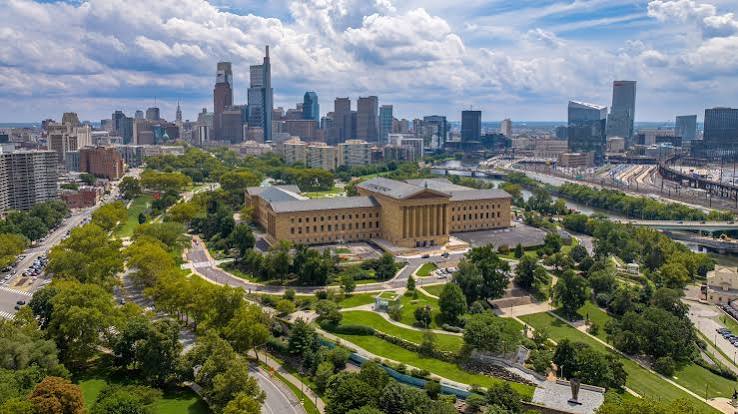
Every year, thousands of Philadelphia residents make the same fundamental calculation: they love the city, but their household math has changed. A second or third bedroom is suddenly non-negotiable. A top-tier public school district becomes a primary consideration. A private yard, a quiet street, and guaranteed off-street parking are suddenly worth trading city nightlife for. Or perhaps fifteen years in Center City or Fishtown was wonderful, but life has simply entered a different chapter.
Whatever the spark, the transition from Philadelphia to its collar counties — Bucks, Montgomery, Delaware, and Chester — represents one of the most frequent routes Moverama navigates. This comprehensive guide breaks down what to genuinely expect during this relocation: the distinct character of each suburban county, the logistical differences between city origins and suburban destinations, transit commute realities, and the common pitfalls movers encounter during their first year in the suburbs.
Why People Leave Philadelphia — and What They Find
The drivers pushing Philadelphians toward the suburbs are remarkably consistent across demographics: square footage, public education rankings, and a level of daily quiet that dense urban rowhome blocks cannot supply. A twin home in Narberth with a private backyard often trades at roughly the same price point as a two-bedroom condo in Fishtown. A single-family colonial in Doylestown with a two-car garage and finished basement costs comparable to a renovated rowhome in Graduate Hospital — while providing access to a public school district ranked in the top 20 across Pennsylvania.
What movers discover upon arrival is a genuine lifestyle recalibration. You gain expansive living areas, private driveways, lower street noise, and dedicated storage. In exchange, daily life becomes noticeably more car-dependent, and your commute into Center City becomes dictated by either SEPTA Regional Rail schedules or the notoriously congested traffic on I-76 (the Schuylkill Expressway) and I-476 (the Blue Route). The more intentionally you research your destination community, the smoother your adjustment will be.
Moving from the city to the suburbs isn't just about moving furniture — it's transitioning from vertical living (tight rowhome stairs and multi-level trinities) to horizontal living (wider floor plans, basements, and attached garages). Staging and unloading require a completely different operational strategy to prevent suburban clutter.
The Four Major Suburban Counties: What Makes Each Different
1. Bucks County
Bucks County extends northeast from Upper Northeast Philadelphia along the scenic Delaware River corridor. It offers an exceptionally broad spectrum of living environments, ranging from dense historic boroughs to sprawling equestrian country estates.
Newtown Township & Newtown Borough: One of Bucks County's premier destinations for relocating Philadelphia families. Newtown features a preserved, walkable historic commercial center filled with local restaurants, independent boutiques, and community events. It boasts the top-rated Council Rock School District, quick connectivity to I-295 and Route 1, and housing inventory spanning classic colonials in the $450K range to expansive newer constructions exceeding $800K+. It maintains an authentic small-town identity rather than a cookie-cutter suburban tract.
Doylestown Borough: The cultural and administrative anchor of Bucks County. As the county seat, Doylestown offers an enviable walking lifestyle anchored by the Mercer Museum, independent bookstores, the County Theater, and bustling sidewalk dining. The borough is directly connected to Center City via the SEPTA Lansdale/Doylestown Regional Rail line. Backed by the Central Bucks School District — consistently ranked among Pennsylvania's elite — Doylestown has drawn a substantial influx of former Center City and Fairmount residents over the past decade.
New Hope & Upper Bucks: Famous for its artistic heritage, riverfront dining, and historic charm along the Delaware Canal, New Hope is an eclectic, premium enclave. While scenic, its distance from Center City makes it better suited for remote executives or weekenders rather than daily Philadelphia commuters.
Warminster, Warrington, & Horsham: These communities provide accessible price points, excellent local amenities, strong public schools, and straightforward commuter access along Route 611 and the Warminster rail line.
2. Montgomery County
Montgomery County borders Philadelphia to the immediate west and northwest, housing some of the most affluent, established, and sought-after residential real estate in the Mid-Atlantic region. The legendary Main Line — historic communities developed along the Pennsylvania Railroad's Paoli-Thorndale corridor — serves as Montco's premier residential spine.
Narberth: The crown jewel for urbanites seeking suburban amenities without surrendering walkability. Narberth is an intimate, self-contained one-square-mile borough featuring a thriving downtown with an indie movie theater, corner delis, hardware shops, and a 20-minute direct train into 30th Street Station. While price per square foot is high — historic twins and rowhomes command $450K to $750K+ — its tight-knit pedestrian fabric makes it the single most common landing spot for families departing Fairmount, Queen Village, and Fishtown.
Ardmore, Haverford, & Bryn Mawr: Substantial Main Line communities that blend vibrant commercial districts (such as Suburban Square in Ardmore) with stately single-family stone homes. The Lower Merion School District consistently ranks #1 or #2 in the Commonwealth of Pennsylvania, creating fierce demand for local inventory.
Ambler & Upper Dublin: Located along the Lansdale/Doylestown rail corridor, Ambler has emerged as a premier culinary and cultural destination with an active Main Street, microbreweries, and the Ambler Theater, paired with Upper Dublin's exceptional school system.
Conshohocken: Positioned directly on the Schuylkill River with its own Regional Rail stop, Conshohocken ("Conshy") provides a lively, young-professional community vibe, walkable pubs, modern townhouse developments, and quick vehicular access to I-76 and I-476.
If you cherish Philadelphia's walk-to-coffee lifestyle, focus your search on incorporated boroughs (like Narberth, Doylestown, Media, Ambler, or West Chester) rather than unincorporated townships. Boroughs were planned around pedestrian grids and train stations, whereas townships are largely auto-centric.
3. Delaware County (Delco)
Delaware County stretches southwest from West Philadelphia to the Delaware state border. Delco offers high community variety, ranging from dense inner-ring streetcar suburbs to leafy, academic enclaves.
Media Borough: Affectionately dubbed "Everybody's Hometown," Media is arguably one of the most vibrant small towns in suburban Pennsylvania. It features an active trolley line operating down State Street, independent bookstores, eclectic dining, and its famous summer tradition — "Dining Under the Stars" — which closes State Street to motor traffic every Wednesday evening from May through October. The Media/Wawa Regional Rail line delivers commuters into Center City in approximately 35 minutes.
Swarthmore: A picturesque college town built around Swarthmore College and its idyllic 425-acre Scott Arboretum. It features Quaker architectural heritage, mature tree-lined avenues, exceptional schools (Wallingford-Swarthmore School District), and an intellectual, close-knit civic culture.
Havertown & Broomall: Located in Haverford and Marple townships, Havertown is deeply beloved for its family-centric neighborhood fabric, active civic associations, Irish heritage, and convenient proximity to both Center City and King of Prussia.
Springfield, Drexel Hill, & Upper Darby: The inner-ring tier bordering West Philadelphia. These communities provide the most attainable price points in the region ($250K–$400K for single-family homes and twins), direct trolley and Market-Frankford Line connections, and solid starter-home inventory.
4. Chester County (Chesco)
Chester County represents the western edge of the metropolitan area and is consistently ranked among the wealthiest and fastest-growing counties in Pennsylvania. It pairs conserved agricultural landscapes and rolling equestrian pastures with booming suburban tech and pharmaceutical corridors.
West Chester Borough: The bustling county seat and home to West Chester University. West Chester offers a stunning historic brick-and-stone downtown grid packed with over 65 dining establishments, boutique retail, and community festivals. Commuters can reach Center City via the nearby Exton or Paoli stations, making it an extraordinary balance of vibrant small-city culture and country access.
Malvern, Exton, & Downingtown: Continuing west along Route 30, these communities offer newer housing developments, master-planned neighborhoods, expansive corporate campuses, and outstanding schools (including the Downingtown STEM Academy, frequently ranked as the top public high school in Pennsylvania).
The Logistics of Moving from Philadelphia to the Suburbs
Relocating from a Philadelphia urban home to a suburban property involves navigating two fundamentally different logistical environments on the same moving day.
Origin Challenges: The Philadelphia Departure
Your Philadelphia origin presents all the typical challenges of city moving:
- Tight Rowhome Stairs: Narrow 30-inch staircase turns, pie stairs, and low clearance ceilings requiring furniture disassembly and expert hoisting.
- Street Parking Regulations: Narrow one-way streets with parked vehicles on both sides.
- Elevator Reservations & COIs: Center City high-rises demand pre-reserved freight elevator windows and Certificate of Insurance (COI) filings.
Philadelphia Parking Permits: Do not overlook securing a Temporary No Parking Permit from the Philadelphia Parking Authority (PPA) for your move-out date. The application must be submitted at least 4 business days before your move, and physical signs must be posted on the street at least 24 hours prior. Without reserved space, moving trucks risk double-parking fines or inability to stage close to your entrance.
Destination Logistics: The Suburban Arrival
Suburban destinations introduce a vastly different, more accessible set of moving dynamics:
- Private Driveway Access: Most suburban single-family properties offer dedicated off-street driveways, removing parking competition entirely.
- Ground-Floor Entries: Direct grade-level access through front porches, side mudrooms, or walk-out basements eliminates freight elevator bottlenecks.
- Expansive Truck Staging: Crews enjoy ample room to extend the 14-foot truck ramp and safely stage large furniture pieces.
- Multi-Level Footprints & Long Carries: While access is easier, a 2,800 sq. ft. multi-story home with a basement, attic, and detached garage requires substantially more walking distance per item than a compact apartment. Proper box labeling and room coordination are essential.
Timing Your Suburban Move
Because family moves to the suburbs are heavily dictated by school enrollment deadlines, June, July, and August experience peak relocation demand. If you are moving during the summer window, book your moving company 6 to 8 weeks in advance. Moving in the fall (September through November) or late spring offers greater scheduling flexibility, cooler working temperatures, and less crowded settlement dates.
SEPTA Regional Rail & Center City Commute Realities
If you plan to maintain employment in Center City while establishing your home in the suburbs, your commute route will become the cornerstone of your daily satisfaction. Driving via I-76 (the Schuylkill Expressway) or I-476 during peak rush hours (7:00–9:30 AM and 4:00–6:30 PM) is notoriously unpredictable, with frequent congestion and weather delays. For thousands of suburban residents, SEPTA Regional Rail provides a civilized, productive, and stress-free alternative.
| Suburban Community | County | SEPTA Regional Rail Line | Approx. Commute to Center City |
|---|---|---|---|
| Narberth | Montgomery | Paoli / Thorndale Line | 18–22 min |
| Bryn Mawr | Montgomery / Delco | Paoli / Thorndale Line | 24–28 min |
| Media | Delaware | Media / Wawa Line | 30–38 min |
| Ambler | Montgomery | Lansdale / Doylestown Line | 45–55 min |
| West Chester | Chester | Paoli / Thorndale (via Exton Station) | 55–65 min |
| Doylestown | Bucks | Lansdale / Doylestown Line | 60–75 min |
The further out your destination, the more your lifestyle requires vehicular dependence — not merely for commuting, but for grocery runs, youth sports leagues, and basic errands. If transit access and pedestrian independence are core values, focus your home search on the inner-ring boroughs (Narberth, Media, Swarthmore, or Doylestown Borough) where daily life does not require getting behind the wheel for every errand.
What Moverama Handles on City-to-Suburb Relocations
A move from any Philadelphia neighborhood to Bucks, Montgomery, Delaware, or Chester County falls cleanly within Moverama's local service perimeter. You receive transparent, all-inclusive hourly billing with zero hidden surcharges:
- Complete Equipment & Protection Included: Heavy-duty moving blankets, mattress covers, commercial shrink wrap, wardrobe cartons, and specialized floor runners come standard.
- Consistent Crew & Truck: The same professional, background-checked crew that packs and loads your city home drives the truck to your suburban address and handles room-by-room placement.
- Transparent Floor Fees: Stair fees apply only to walk-up origins (4th floor and above, $15/floor/hour). The overwhelming majority of suburban single-family homes with driveways and ground-floor access incur no stair fees whatsoever.
- Typical Timeframes: A standard 2-to-3-bedroom Philadelphia rowhome move to a suburban single-family home typically spans 5 to 8 total hours, including transit and unloading.
Frequently Asked Questions About Moving to the Philadelphia Suburbs
Is moving from Philadelphia to the suburbs considered a local or long-distance move?
Moves within Pennsylvania and generally within a 50-mile radius are classified and priced as local hourly moves. This includes all moves from Philadelphia to Bucks, Montgomery, Delaware, and Chester counties. If your suburban relocation crosses state lines into South Jersey (e.g. Cherry Hill, Moorestown, or Haddonfield), it is regulated as an interstate move, which Moverama also fully accommodates.
Which Philadelphia suburbs have the highest-ranked public schools?
Lower Merion School District (serving Ardmore, Bryn Mawr, Haverford, and Merion) consistently ranks as the top public district in Pennsylvania. Other top-tier suburban districts include Tredyffrin/Easttown (Conestoga High School), Radnor Township, Central Bucks (Doylestown, Buckingham), Council Rock (Newtown), and Wallingford-Swarthmore. Always consult the Pennsylvania Department of Education School Performance Profiles for verified annual data.
Which suburbs offer the easiest commute for Center City workers?
For minimal commute times, the inner Main Line communities (Narberth, Ardmore, Wynnewood) on the Paoli-Thorndale line offer 18-to-25-minute train rides into 30th Street and Suburban Station. In Delaware County, Media and Swarthmore provide reliable 30-to-35-minute express transit into Center City.
How can I test whether a suburban neighborhood fits my lifestyle before buying?
Spend real time in the borough or township center during off-peak times. Visit the downtown corridor on a rainy Tuesday evening or a Sunday morning. Take the SEPTA Regional Rail commute during peak morning hours to experience the actual daily transit routine. Have lunch at a local diner and walk the residential side streets to observe foot traffic and neighborhood engagement.
Does Moverama assist with packing for large suburban moves?
Yes. Moverama provides comprehensive full-home and partial packing services. Our team brings all necessary commercial cartons, bubble wrap, packing paper, and dish packs, systematically packing and labeling your home either the day prior or the morning of your move.
Ready to Move from Philadelphia to the Suburbs?
Get a guaranteed, all-inclusive estimate from Moverama's five-star moving team.
Licensed · Insured · 5,000+ Philadelphia Moves Completed · Mon–Sun 7am–9pm