Moving to Fishtown, Philadelphia: A Complete Neighborhood Guide
Everything you need to know about moving to Fishtown, Philadelphia — parking, rowhomes, streets, cost of living, and what to expect on move day in one of Philly's most in-demand neighborhoods.
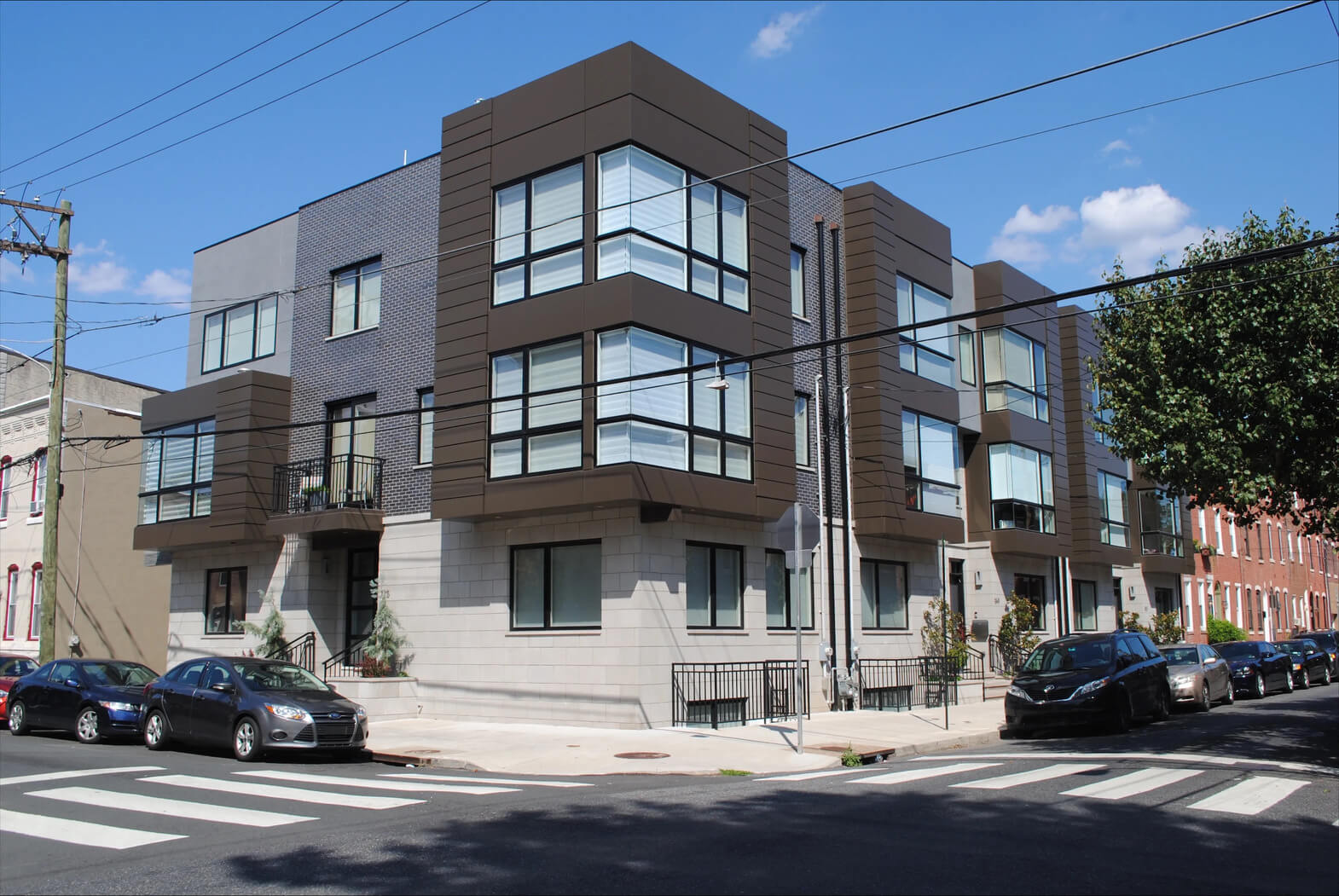
Fishtown has been one of the most talked-about neighborhoods in Philadelphia for the better part of a decade, and it keeps earning the attention. What started as a working-class river neighborhood north of Center City has become one of the city's most sought-after places to live — and one of its most active moving markets. We move people in and out of Fishtown regularly, and the neighborhood has a set of logistics you need to know before your move day. This guide covers everything: what it's actually like to live in Fishtown, what the streets will do to your move, and how to make the process go smoothly.
What Fishtown Is Actually Like
Fishtown sits just northeast of Center City, bordered roughly by the Delaware River to the east, Girard Avenue to the north, Front Street to the west, and Norris Street to the south. It's dense, walkable, and intensely residential — a grid of narrow streets lined almost entirely with rowhomes, broken up by corner bars, independent restaurants, coffee shops, and a genuinely good transit connection.
The neighborhood draws a mix of long-term residents whose families have been here for generations and a wave of newcomers who moved in over the last ten years for the food scene, the proximity to Center City, and rents that were historically lower than comparable neighborhoods (though that gap has closed considerably). It's a neighborhood that still feels like a neighborhood — people know their blocks, know their neighbors, and have opinions about parking. Both things can coexist.
The main commercial corridors are Girard Avenue, Frankford Avenue, and Fishtown's dense stretch of Memphis Street. The walkability score is excellent — you can reach grocery stores, SEPTA's Market-Frankford Line, the 15 trolley on Girard, and most daily necessities without a car.
What Fishtown Costs
As of 2026, Fishtown sits at the higher end of Philadelphia's rental market for the neighborhoods it borders. Expect roughly:
| Unit Type | Typical Monthly Rent Range | Notes |
|---|---|---|
| Studio / 1BR | $1,400–$2,000 | Newer builds trend toward the top end |
| 2BR | $1,900–$2,800 | Converted rowhomes, newer construction |
| 3BR rowhome | $2,400–$3,600 | Full rowhomes, often includes basement |
| Purchase (rowhome) | $350,000–$650,000+ | Wide range depending on renovation level |
These are general ranges — specific blocks, renovation levels, and whether a unit has outdoor space or parking will move prices significantly in either direction.
Getting Around Fishtown
Fishtown has genuinely good transit access, which is one reason it's attracted residents who want to live car-lite or car-free. The Market-Frankford Line (the El) runs along Frankford Avenue with stops at Girard and at Berks — both within easy walking distance of most of the neighborhood. The 15 Girard trolley connects Fishtown westward through Northern Liberties, Spring Garden, and eventually West Philadelphia. Several bus lines also cross or border the neighborhood.
If you're keeping a car in Fishtown, be prepared for street parking that is competitive on weeknights and weekends. Fishtown is not a permit-parking neighborhood across most of its blocks, which means street parking is open to anyone — including visitors and people parking from neighboring areas. On a Friday or Saturday night, finding a spot within two blocks of your address can take time.
Biking is genuinely viable in Fishtown — the neighborhood is flat, most of it is within easy reach of the Delaware River trail system, and the density makes distances short. Indego bike share stations are scattered through the area.
What Moving Into Fishtown Actually Involves
This is where we earn our keep. Fishtown is a beautiful neighborhood and a logistically specific one. Here is what the move itself will look like, based on the dozens of moves we've completed here.
Narrow Streets and Parking Competition
Fishtown's street grid was laid out long before moving trucks existed. Many of the residential blocks are narrow enough that a standard moving truck parked along the curb will partially block traffic — and on some of the tighter blocks, a large truck makes two-way passage impossible. This is not unusual in Philadelphia rowhouse neighborhoods, but Fishtown's density and active street life make it a real factor to plan around.
Securing a Temporary No Parking Permit from the City of Philadelphia before your move day is strongly recommended in Fishtown. The permit reserves a section of the curb in front of your address for your moving truck and prevents other vehicles from occupying that space. It costs $25–$50, requires filing at least 4 business days in advance, and is well worth the fee in a neighborhood where an uncleared spot can mean your truck parks halfway down the block and the crew carries your furniture significantly farther than necessary.
Rowhome Stairs and Entry Points
The overwhelming majority of Fishtown residences are rowhomes — typically three stories, with a front door that opens directly to the street and a staircase that begins immediately inside. Many Fishtown rowhomes have a tight 90-degree turn at the bottom of the stairs, which affects how long furniture can be maneuvered up to the second or third floor. Beds, sofas, and large dressers all require assessment before your move — the stairwell dimensions will determine whether they go straight up or need to be disassembled first.
Tell us about stairwell layouts at booking. Experienced crews will ask about it, but describing the dimensions and any sharp turns upfront means we plan for it — not discover it when the truck's already loaded.
Basement Access
Many Fishtown rowhomes have basements, and some of those basements have external bilco-door access from the pavement. If your new home has bilco access, flag it for your crew — heavy items like appliances and furniture can sometimes be carried directly down into the basement rather than through the house, which saves time and reduces wear on tight interior stairwells.
Some newer Fishtown construction — the condo buildings and larger multi-unit developments along the main corridors — have specific building rules for move days, including required freight elevator reservations and COI (Certificate of Insurance) requirements from your movers. If you're moving into a building rather than a standalone rowhome, call the building management office at least a week before your move to confirm their move-in procedures. Loading dock reservations in smaller Fishtown buildings can fill up on peak weekends.
5 Things to Know Before You Move to Fishtown
- Parking is genuinely competitive. If you're bringing a car, factor in that street parking will require patience, especially on weekends. Some residents use a combination of nearby garages for regular parking and street spots for short-term use.
- Noise varies by block. Blocks close to Girard Avenue and Frankford Avenue are livelier — bars, late-night foot traffic, and SEPTA buses. The interior residential blocks are quieter. If noise matters to you, walk your specific block at different times of day before committing.
- Recycling and trash pickup runs on a specific schedule. Philadelphia's trash and recycling schedule is neighborhood-specific. Look up your block's collection days through the City of Philadelphia's website before move-in, and keep cardboard and moving boxes staged until the correct pickup day to avoid neighborhood friction.
- The neighborhood has a high renter turnover on June 1. A significant portion of Fishtown leases turn over on June 1, which is one of Philadelphia's primary lease-end dates. If your move is near that date, book your crew early — demand for movers spikes across the whole city.
- SEPTA's Girard Avenue trolley is better than it looks. The 15 trolley runs along Girard and connects Fishtown to a wide stretch of the city. It's slower than the El but useful for mid-range trips without needing a car or rideshare.
Moverama's Experience Moving in Fishtown
We've moved hundreds of households in and out of Fishtown, and the neighborhood has a reliable pattern: the street access is workable with the right planning, the rowhomes reward crews who understand Philadelphia stairwells, and the neighbors are generally accommodating when a moving truck needs a few hours of curbside space.
What makes the difference in Fishtown is preparation. We ask about stairwell layouts at booking, not on move morning. We discuss parking permit status before the job, not after the truck arrives. For customers moving into newer multi-unit buildings on the Fishtown corridors, we request COI documentation in advance so there are no delays at move-in.
"Fishtown moves go smoothly because we know how to navigate the unexpected. We've done enough of them to know that parking may not be exactly what we anticipated — and even though the rowhome stairwells are familiar, every house is different. So tell us about tight turns and stairwells at booking rather than discovering them when the truck's already loaded." — Moverama Team
Frequently Asked Questions About Moving to Fishtown
Do I need a parking permit to move in Fishtown?
In most cases, yes. A Temporary No Parking Permit from the City of Philadelphia reserves the curb in front of your address for your moving truck. It costs $25–$50 and requires filing at least 4 business days in advance. On Fishtown's narrower residential blocks, an uncleared parking space often means your truck parks well away from your door — which adds significant time and effort to the move. Moverama can walk you through the permit process when you book.
Are Fishtown rowhome staircases difficult to move through?
They can be. Most Fishtown rowhomes have a staircase that begins immediately inside the front door, often with a 90-degree turn at the base. Large furniture items — king beds, sectional sofas, tall dressers — need to be assessed against the specific stairwell dimensions before move day. Tell your movers about any tight turns when you book, and be prepared to disassemble larger pieces if the stairwell won't accommodate them assembled.
Is street parking available for a moving truck in Fishtown?
Street parking exists but is competitive, particularly on weekends and evenings. A Temporary No Parking Permit is the right solution — it legally reserves your curbside space for the duration of your move and prevents other vehicles from occupying it. Without a permit, your truck may need to idle or park further from your door while the crew moves your belongings a longer distance.
What's the best time of year to move to Fishtown?
Fall — September through November — offers the best combination of weather, crew availability, and lower demand on parking and building access. If you're moving in summer, be aware that June 1 is a major lease turnover date in Philadelphia and booking competition is high. Whatever your timing, book your movers 6–8 weeks in advance for peak-season moves.
Does Moverama serve Fishtown?
Yes. Fishtown is one of our most active moving markets. We handle residential rowhome moves throughout the neighborhood, including moves to and from the larger multi-unit buildings on Girard and Frankford. Call (215) 420-0305 or request a same-day written estimate at moveramaphilly.com/contact.