How to Move a Philadelphia Rowhome: Tips for Narrow Stairs & Streets
Rowhomes are one of the things that make Philadelphia, Philadelphia — and one of the things that make Philadelphia moves genuinely harder than moves anywhere else. Here's what a rowhome move actually involves, what goes wrong without proper planning, and how to make yours go right.
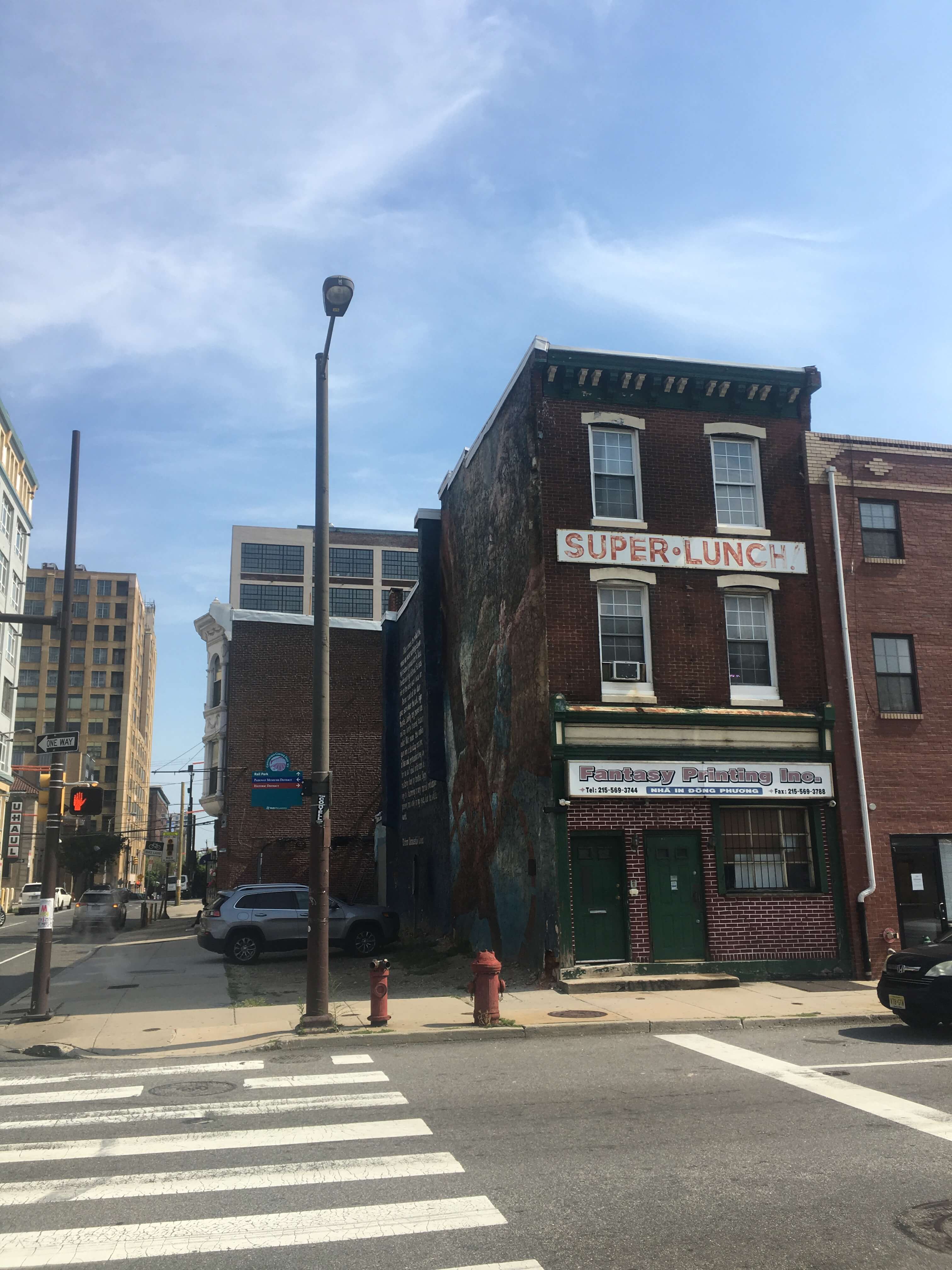
We've moved thousands of Philadelphia rowhomes. The narrow stairwells, the tight hallway turns, the front doors that open directly onto the sidewalk, the streets barely wide enough for a moving truck and a parked car at the same time — we know exactly what these buildings ask of a crew. This guide covers what makes rowhome moves different, what to prepare before move day, and what to expect when you hire a crew that has actually done this before.
What Makes a Rowhome Move Different
Philadelphia's rowhome stock is beautiful and architecturally distinct. It's also genuinely challenging to move through. Here are the specific factors that set a rowhome move apart from a standard apartment or suburban house move.
Narrow Stairwells and Sharp Turns
The classic Philadelphia rowhome staircase is steep, narrow, and usually has at least one 90-degree turn at the bottom or top. A king-size mattress, a sectional sofa, or a large wardrobe that would fit through most American home stairwells won't necessarily fit through a rowhome's. Experienced crews know how to angle furniture, use moving straps, and disassemble pieces that need to come apart before they can be moved. Less experienced crews improvise, and improvising adds hours and risks damage to walls and furniture.
Trinity Houses
The trinity — three stories, one room per floor, staircase running straight up through the center — is among the most time-intensive moves in the city. There's no way to shortcut a trinity. Every piece goes through that staircase, one at a time. Crew size matters enormously: two movers on a trinity take significantly longer than three, and the fatigue factor on a hot day is real. When you call for an estimate on a trinity, be explicit. It changes the crew recommendation and the time estimate.
Front Door Access
Most rowhomes open directly onto the sidewalk. There's no front yard, no porch buffer — you're stepping from the front door straight onto the street. This means the path from the moving truck to your front door is compressed, and if the truck can't park directly in front, every carry gets longer.
Street Width and Parking
Many Philadelphia rowhome blocks were built long before anyone anticipated a 26-foot moving truck. Some streets are wide enough to accommodate one with room to spare. Others are a close fit, especially when parked cars take up both sides of the block. Your crew needs to be able to get the truck as close to your front door as possible — every extra 50 feet of carry from truck to door adds time to every single trip.
Before Move Day: What to Do in Advance
Get a Temporary No Parking Permit
This is the single most impactful thing you can do for a rowhome move. A Temporary No Parking Permit from the City of Philadelphia reserves a section of the street directly in front of your address for your moving truck. It costs $25–$50, requires filing at least 4 business days in advance, and is entirely worth it. Without one, your crew may have to park half a block away and carry everything down the sidewalk — adding real time and real effort to the job.
Apply online through the City of Philadelphia's permit portal. Let us know at booking that you've applied, and we'll confirm the permit is in place before move day.
Measure Before Move Day
If you have any furniture you're unsure about — king bed frames, large sectionals, tall wardrobes, full-size refrigerators — measure the piece and measure your stairwell before move day. Specifically: measure the narrowest point of the stairwell (usually the turn), the height of the ceiling at the turn, and the width of the front door. This tells you and your crew in advance what needs to be disassembled and what doesn't. Finding out at 9 AM on move day that the wardrobe won't fit costs everyone time.
Disassemble What You Can
Bed frames, sectional sofas, large desks, and modular shelving units that were assembled inside the rowhome often need to come apart to get out. Moverama can handle all disassembly on move day — just let us know at booking what pieces are involved. If you'd like to save time and money, you're welcome to disassemble items yourself prior to our arrival; the night before your move is the ideal time to do this, so the crew can move straight into loading when they arrive.
Clear the Stairwells
Remove everything from the staircase: artwork, rugs, decorative objects, anything mounted to the walls. Your crew is carrying heavy furniture through that space with limited sightlines. A clean stairwell is a faster and safer stairwell.
What to Tell Your Moving Company at Booking
The more information you give at booking, the more accurately a moving company can plan your job. For a rowhome move, tell them:
- How many floors your rowhome has and whether there's a basement
- Whether you have a trinity staircase or a conventional one
- Whether the street is narrow or has limited parking on your block
- Any large or unusually shaped furniture you're concerned about
- Whether you've applied for a parking permit or plan to
This isn't extra detail — it's what determines your crew size, your time estimate, and whether the quote you receive is accurate. A company that doesn't ask these questions at booking is going to be surprised on move day, and those surprises cost you time and money.
Moverama and Rowhomes: What to Expect
We've moved every type of rowhome in this city: two-up-two-downs in South Philly, trinities in Old City, multi-unit rowhouses in West Philadelphia, Victorian rowhomes in Germantown with original staircases that haven't been updated since 1910. We don't treat rowhome stairwells as a surprise — we plan around them from the estimate forward.
"The crews that struggle with rowhomes are the ones that haven't done a hundred of them. We've done thousands. The stairwell angles, the tight turns, the street access issues — we talk through all of it at booking, not on move morning. That planning is what keeps rowhome moves on time and damage-free." — Moverama Team, based on 5,000+ Philadelphia moves
Our rates for rowhome moves are the same as standard local moves: $150–$170/hr for 2 movers, $175–$200/hr for 3 movers, all-inclusive. For most rowhomes we recommend a 3-person crew — the extra person makes the stairwell significantly faster and safer, and the time saved more than offsets the higher hourly rate. Floor-level charges apply for moves involving the 4th floor and above and are always disclosed in your written estimate before move day.
Frequently Asked Questions About Moving Philadelphia Rowhomes
How long does a rowhome move typically take?
It depends on the size of the rowhome, the number of floors, and how much furniture needs to go through the stairwells. A two-story rowhome with a 2-bedroom worth of furniture typically runs 4–7 hours with a 3-person crew. A trinity with full household contents can run longer. Pre-disassembly of large furniture and a secured parking permit are the two biggest factors you can control to bring that time down.
Do I need to disassemble my bed before the movers arrive?
Moverama can handle all disassembly on move day — just let us know at booking what pieces are involved and we'll come prepared. That said, if you'd like to save time and money, you're welcome to disassemble items yourself before we arrive. The night before your move is the ideal time to do this; it means the crew can move straight into loading from the moment they walk through the door.
Can Moverama move a piano out of a rowhome?
Upright pianos can often be moved through rowhome stairwells with the right equipment and crew size, but it's not straightforward and requires an assessment at booking. Grand pianos require specific evaluation and may need hoisting depending on the access. Always disclose a piano at booking — it changes the crew and equipment requirements significantly.
What if my furniture doesn't fit through the stairwell?
There are a few options: disassembly (if the piece comes apart), hoisting through a window (which Moverama can handle on a case-by-case basis depending on the piece and the access point), or in rare cases, leaving the piece behind. This is exactly why we ask about furniture and stairwells at booking — so we can advise you on the right approach before move day, not during it.
How do I get a Temporary No Parking Permit in Philadelphia?
Apply through the City of Philadelphia's online permit portal at phila.gov. The permit costs $25–$50 depending on the zone size, and you need to apply at least 4 business days before your move. In summer, apply earlier — demand is high and filing late leaves you without a guaranteed loading spot. We help our customers navigate this process at booking.
Moving a Philadelphia rowhome isn't harder than any other move — it just requires a crew that's done it before and planned for what it involves. Moverama has been moving Philly rowhomes since 2017. When you're ready for a same-day written estimate, get in touch here or call us directly at (215) 420-0305.